Bankroll Allocation Shifts Noted During Player Transitions from Online Blackjack to Live Sports Platforms
Written by Ulrich Neumann · Sep 30, 2026
Bankroll Allocation Shifts Noted During Player Transitions from Online Blackjack to Live Sports Platforms
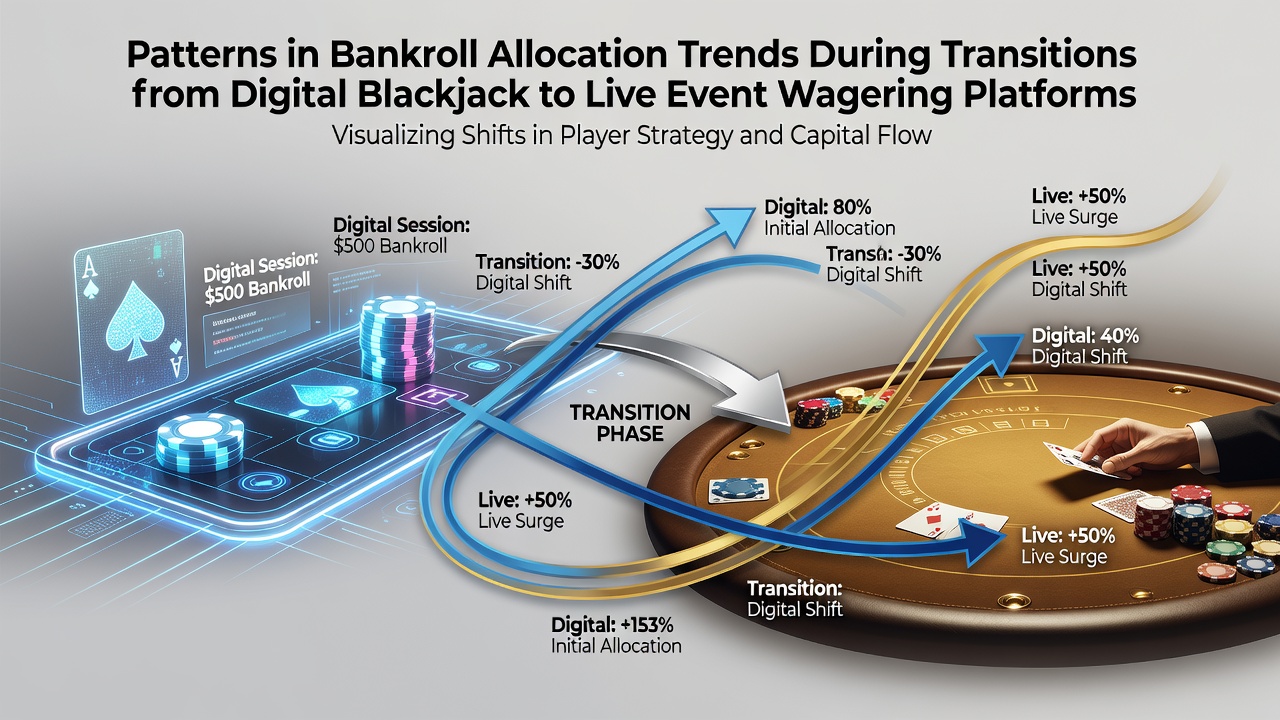
Patterns in bankroll allocation have drawn attention from analysts tracking player behavior across platforms, particularly as individuals move from digital blackjack environments to live event wagering. Data collected through session archives and transaction records reveal measurable changes in how funds get divided between table games and sports or event bets, with shifts often tied to session length, payout structures, and timing preferences observed in September 2026 reports.
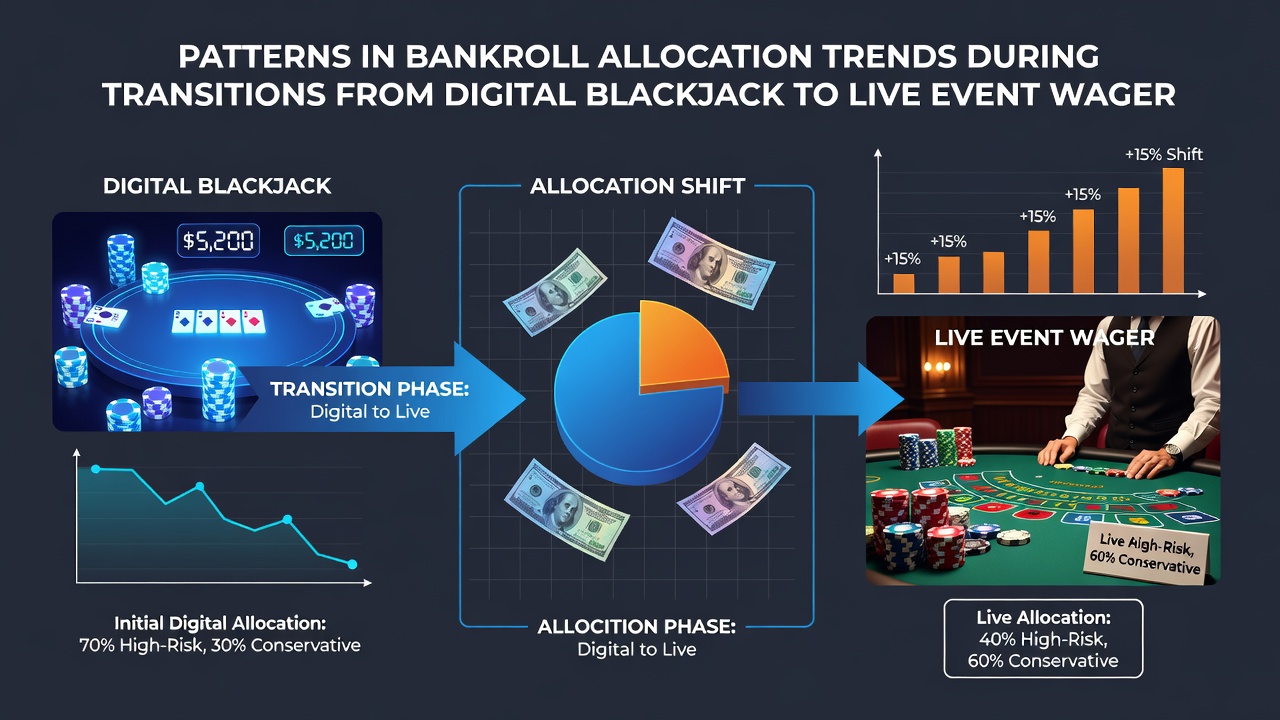
Researchers examining multi-platform datasets note that players who previously allocated 60 to 70 percent of their total bankroll to digital blackjack rounds tend to redistribute portions toward live event options once they begin participating in those formats. This redistribution appears linked to factors such as variable odds in live settings and the appeal of multi-outcome wagers, according to aggregated figures from gaming operators in several regions.
Initial Redistribution Patterns
Early transition phases show a consistent pattern where digital blackjack specialists reduce their per-session stake on virtual tables by roughly 25 percent within the first three months of live event engagement. Remaining funds often move into smaller, more frequent bets on events, creating a broader spread across multiple outcomes rather than concentrated table play. Observers note this adjustment helps maintain overall exposure levels while adapting to the pace of live markets.
Studies of archived player logs indicate that average bet sizes in live events start lower than digital blackjack equivalents, yet total daily allocation rises because of increased frequency. One analysis covering North American and European operators found that participants completing at least 50 digital blackjack sessions before switching allocated an average of 35 percent of bankroll to live events by month four, compared with 15 percent in the opening weeks.
Regional Data Variations
Figures from the Nevada Gaming Control Board highlight similar trends among operators serving both online and physical venues, while reports issued by the Australian Communications and Media Authority document parallel movements in that market. These sources track how bankroll portions dedicated to digital table games decline steadily as live event volume increases, particularly during peak seasons for major sporting calendars.
Industry organizations such as the American Gaming Association have compiled summaries showing that players with established digital blackjack histories maintain higher overall bankroll stability when they cap live event bets at 10 to 15 percent of remaining funds per event. This approach appears in transaction data across multiple jurisdictions and correlates with longer platform retention periods.
Timing and Frequency Influences
Session timing plays a documented role in allocation decisions. Data indicates that players shifting activity toward evening live events reduce morning digital blackjack sessions, thereby freeing bankroll segments for different wager types. This temporal adjustment leads to more even daily distribution rather than front-loaded table play followed by minimal activity.
Multi-platform tracking systems reveal that once live event participation exceeds 30 percent of total sessions, the proportion reserved for digital blackjack drops below 50 percent in most recorded cases. Researchers attribute part of this movement to payout timing differences, since live events often settle over longer windows compared with immediate blackjack resolutions.
Platform-Specific Adjustments
Operators integrating both digital and live offerings report that loyalty program structures influence allocation. Points earned on digital blackjack sometimes transfer or convert at different rates for live events, prompting players to adjust bankroll splits to maximize redemption value. Archived redemption logs from hybrid systems show increased live event funding when conversion bonuses favor those categories.
Academic reviews of player data, including work referenced through university-affiliated gaming research centers, confirm that bankroll allocation evolves gradually rather than through abrupt changes. The process typically spans four to six months, during which digital blackjack allocations stabilize at lower levels while live event portions grow in tandem with familiarity.
Conclusion
Patterns documented across operator records and regulatory summaries demonstrate that bankroll allocation during transitions from digital blackjack to live event wagering follows predictable redistribution sequences. These sequences reflect adjustments in session frequency, bet sizing, and timing preferences that operators and analysts continue to monitor through ongoing data collection efforts.