Acoustic Design Factors Affecting Blackjack Decision Intervals in Purpose-Built Casinos
Written by Elena Günther · Sep 2, 2026
Acoustic Design Factors Affecting Blackjack Decision Intervals in Purpose-Built Casinos
Core Elements of Acoustic Control in Gaming Spaces
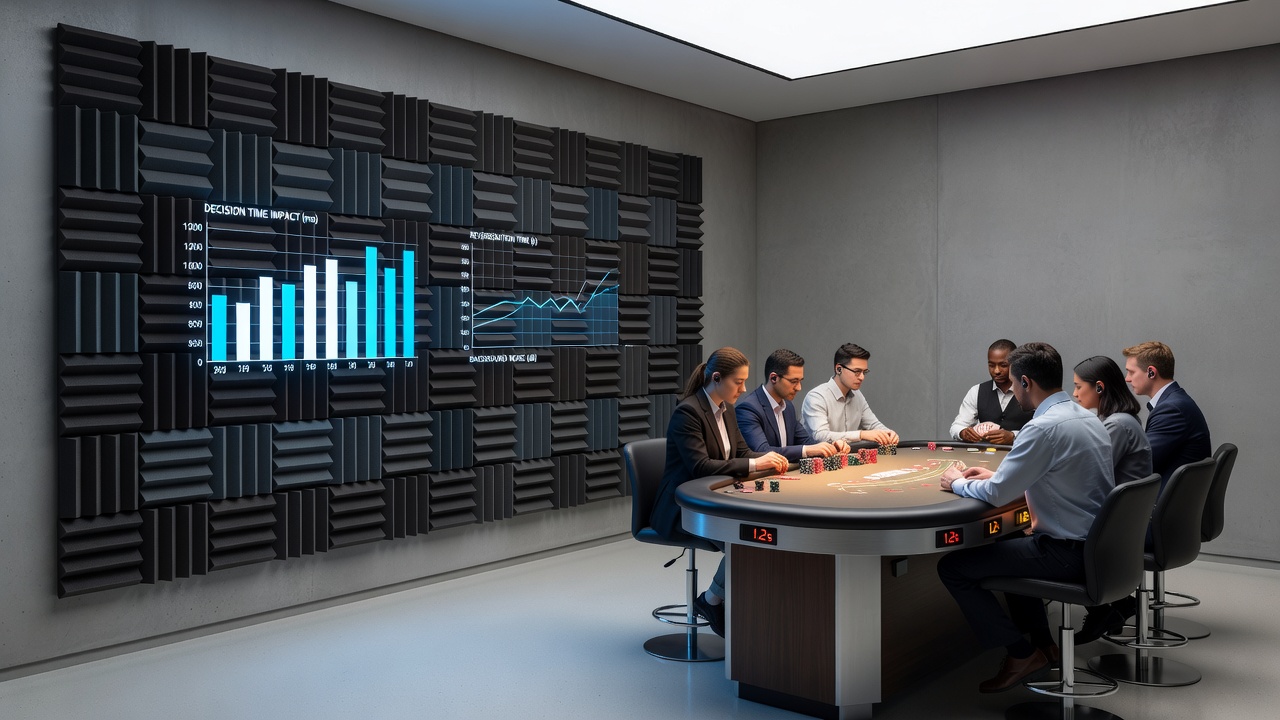
Acoustic design in purpose-built blackjack venues incorporates materials that absorb sound reflections, regulate ambient noise levels, and manage reverberation times across table areas. These components include ceiling baffles, wall panels with porous surfaces, and flooring underlays that reduce footfall transmission. Researchers at specialized facilities have tracked how such installations alter the time players take to reach decisions during live play.
Data collected from multiple sites shows average decision intervals shorten when reverberation drops below 0.8 seconds. One analysis of session logs from 2025 installations revealed players completed choices 12 percent faster in rooms fitted with targeted absorption compared with standard casino floors. The patterns hold across different stake levels and player experience groups.
Noise Levels and Response Timing Measurements
Background noise in blackjack areas typically ranges from 65 to 78 decibels during peak hours. Purpose-built venues adjust this range through zoned speaker systems and directional masking that keeps conversation audible without overwhelming concentration zones. Studies conducted by the Nevada Gaming Control Board and independent acoustics labs indicate that sustained levels above 74 decibels correlate with extended decision pauses of up to 4.2 seconds per hand.
Observers monitoring table performance in September 2026 noted that venues maintaining mid-range masking at 68 decibels recorded the most consistent player pacing. Shifts in ambient sound produced measurable changes even when visual layout and dealer speed remained constant. Equipment logs from these environments confirm the relationship between controlled acoustics and reduced hesitation intervals.
Reverberation Control and Player Focus Patterns
Reverberation time directly influences how clearly players hear dealer announcements and card confirmations. Facilities engineered with variable acoustic zones allow operators to tune spaces for different crowd densities. When reverberation stays between 0.6 and 1.0 seconds, decision times stabilize according to aggregated floor data from several regional properties.
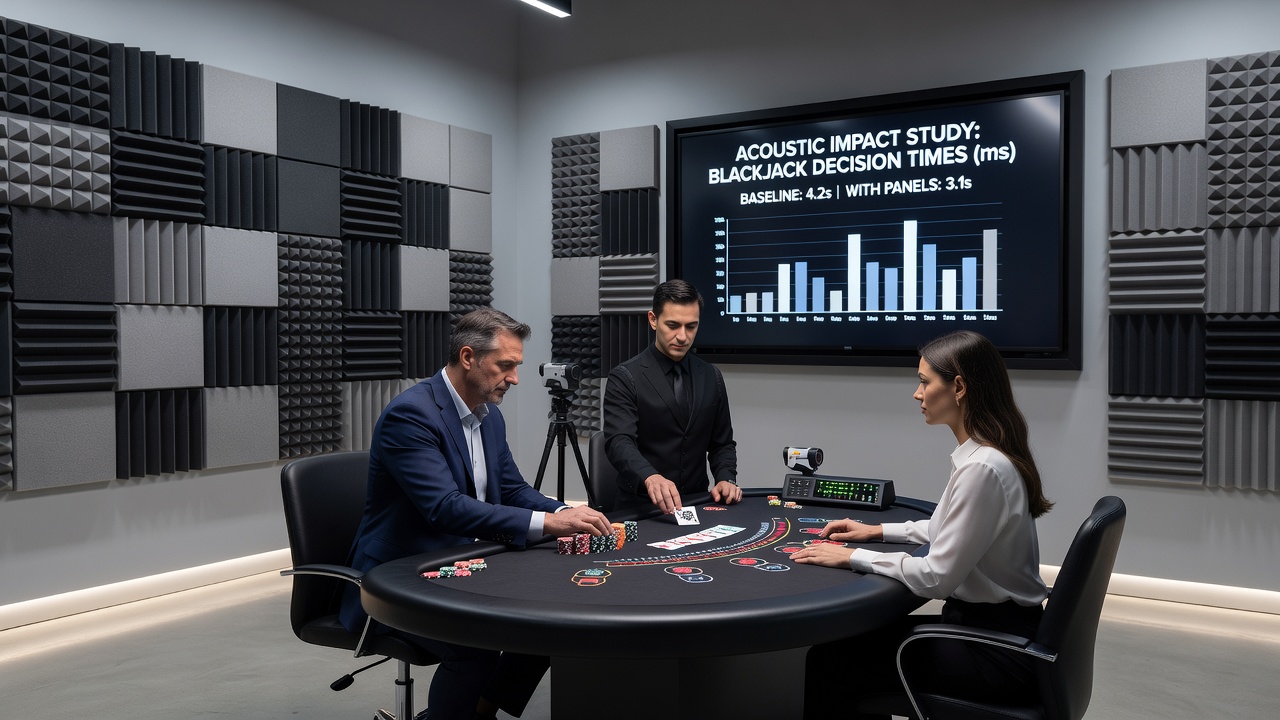
One study released through the University of Nevada Reno gaming research program examined 14,000 hands across three acoustic configurations. The shortest average decision windows appeared in spaces where low-frequency absorption prevented echo buildup around table edges. Higher reverberation environments showed wider variance in player response, particularly during multi-player hands.
Integration With Other Environmental Controls
Acoustic modifications often work alongside lighting and airflow adjustments. Data from combined system trials demonstrates that balanced sound environments amplify the effects of dimmed perimeter lighting on decision speed. Venues that coordinated these elements reported tighter clustering of decision times around the 9-to-12-second mark per hand.
Industry reports from the European Casino Association highlight similar findings in properties that updated acoustic treatments during 2025 renovations. Those updates produced documented reductions in average session duration without corresponding drops in table occupancy. The outcomes suggest acoustic design contributes measurable efficiency gains when paired with complementary venue features.
Regional Implementation and Ongoing Monitoring
Properties in North America and Asia have adopted acoustic standards tailored to local regulations and player demographics. Australian venues, for instance, reference guidelines from the Australasian Gaming Council when specifying materials for new table rooms. Continuous monitoring through embedded sensors allows operators to maintain target acoustic profiles as occupancy fluctuates throughout the day.
September 2026 installations at several West Coast sites incorporated real-time feedback loops that adjust masking output based on live table activity. Early figures from these systems show decision time consistency improved by 8 to 15 percent over previous acoustic baselines at the same locations.
Conclusion
Acoustic design elements produce measurable shifts in blackjack decision intervals within purpose-built venues. Controlled reverberation, balanced background noise, and integrated sound management each contribute distinct effects supported by session data and laboratory measurements. Ongoing installations and monitoring programs continue to refine these relationships across different regulatory regions and property types.